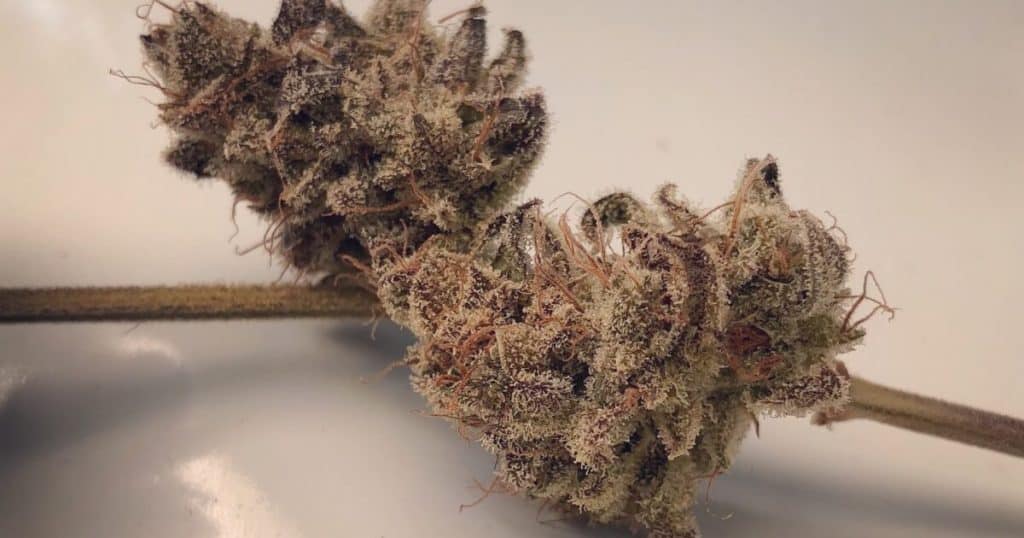
Cannabis Sativa; a plant with a thousand faces, scents, personalities, colors, and effects… fibrous hemp, medical hemp, high hemp, light hemp; one plant, but many different plants at the same time.
It is understandable that the subject may cause some confusion among non-experts, and we have often heard ourselves asking how to distinguish the so-called light cannabis from the traditional one that is still illegal in Italy.
The answer is very simple, and to distinguish the two with a reasonable margin of safety, sight and especially touch are sufficient; the THC content that strictly makes the difference between a legal cannabis flower and an illegal cannabis flower is concentrated, as we all know, in the resin that covers the inflorescence. This resin contains not only THC but also several hundred other cannabinoids such as CBD, CBG, and others; finally, the appearance and quality of the resin change significantly depending on the type of cannabinoids it contains in greater quantities.
Traditional cannabis varieties (rich in THC and therefore illegal) generally have a high THC content (10% or more) associated with very low or no levels of CBD and other cannabinoids, while the best light cannabis varieties contain high percentages of CBD (10% or more) associated with very low levels of THC.
The differences in the resin;
traditional cannabis (illegal) has a resin that is generally shiny to the eye and sticky to the touch, while the resin from plants attributable to legal hemp is generally pearly to the eye and greasy/soapy to the touch. In short, if the resin shines or sparkles in the light and is sticky to the touch, it probably contains a lot of THC, whereas if it is rich in CBD and low in THC, it will be a pearly white/translucent tone to the eye and little or not at all sticky to the touch, leaving the sensation of having touched something greasy or dry, like a non-moist soap bar between the fingertips.
This is obviously a rough and not infallible method, so a great familiarity with this plant is essential, but in the experience of the new light version of our beloved, we immediately found these differences and over time managed to prove a reasonable margin of reliability.
That said, it is at least paradoxical to see how two plants so similar that one could consider them as one can be treated and regarded so differently, and especially that the consequences of possessing one plant rather than the other can be so radical… but that is a topic for another time.
One hundred fires, against the prohibition of cannabis since 1996 and more allamorte.
Tag: More info on CBD