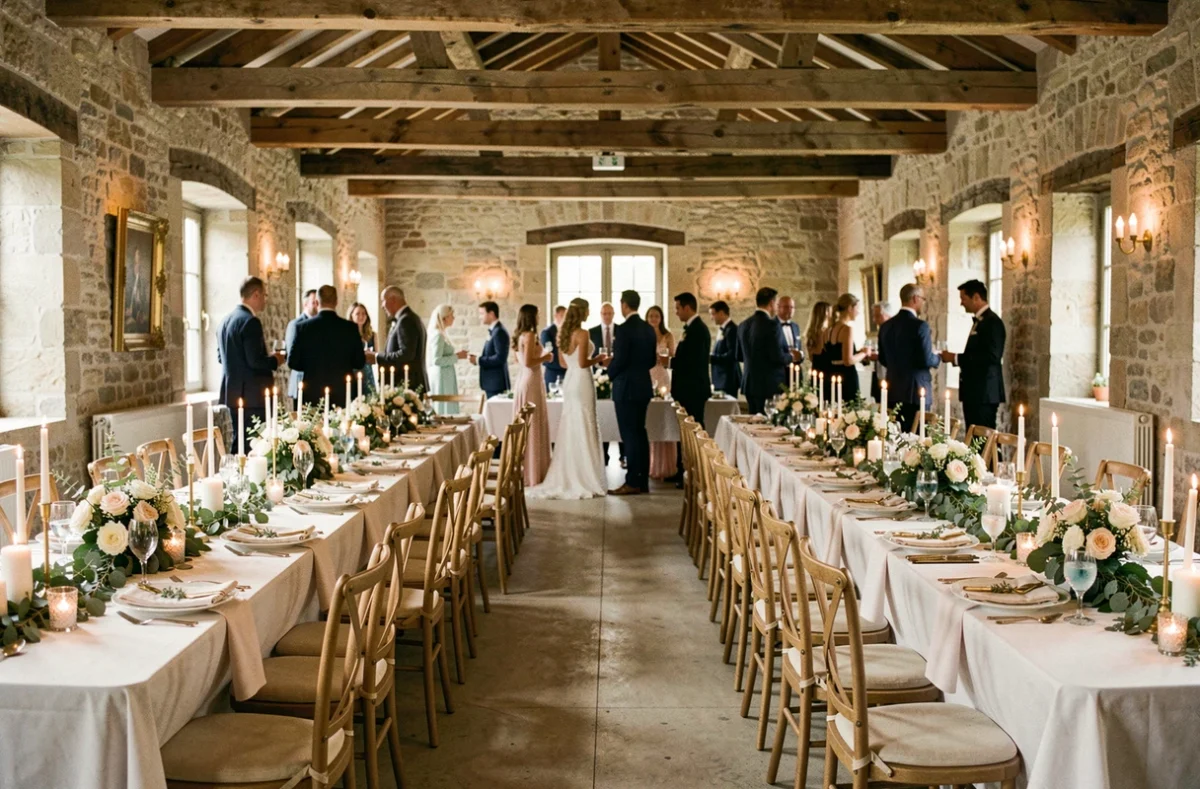
Wedding decoration is based on a simple principle: focus the decorative effort on a few key areas rather than spreading the budget over every square meter. Ceremony entrance, head table, buffet, lighting – these focal points structure the overall atmosphere and make other spaces coherent with a minimum of accessories.
Here are ten concrete ideas for creating a memorable wedding decor, adapted to the trends observed this year by industry professionals.
1. Light design with suspended garlands
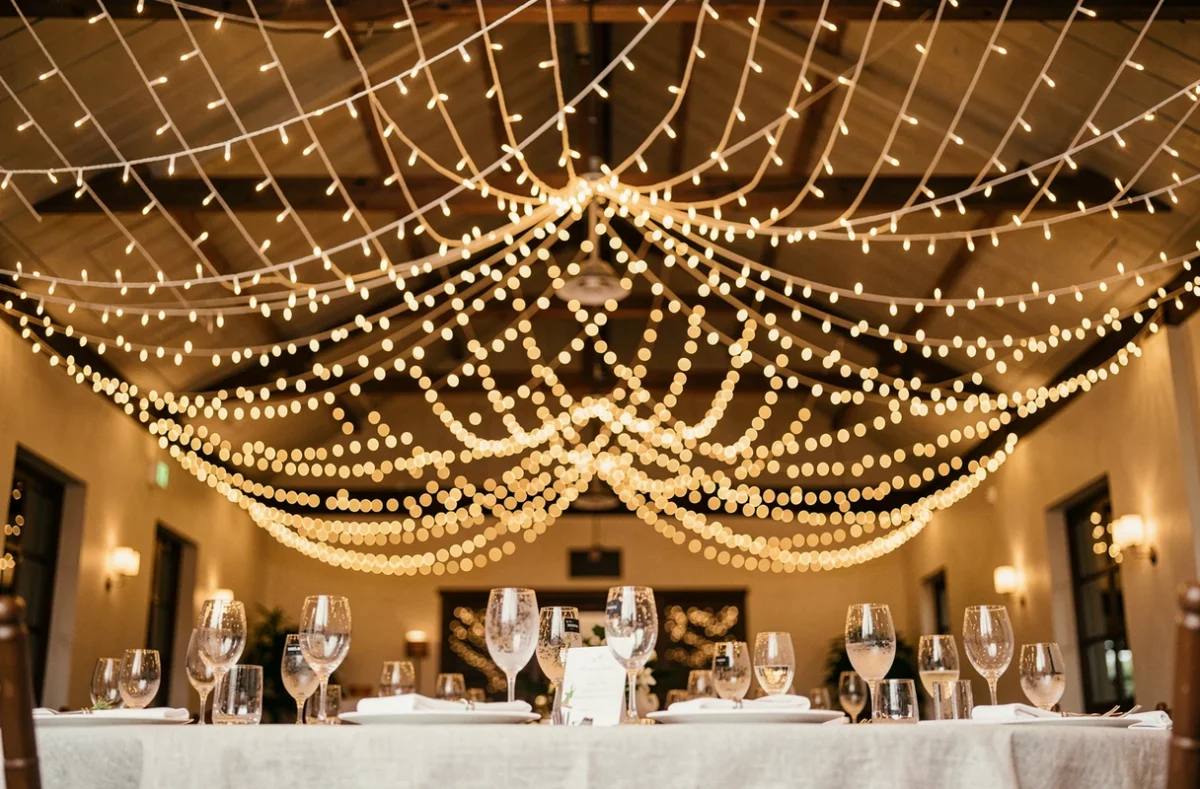
Lighting is no longer just an addition: it becomes an autonomous scenographic component. Suspended bistro-style garlands at different heights create a luminous ceiling that transforms any venue, including a farm shed or a raw barn.
The principle is to cross several light strings with varying intensities. Exposed filament bulbs in warm white produce a cozier effect than cool LEDs. This approach advantageously replaces tall floral arrangements, which are often expensive and fragile.
2. Mono-variety floral compositions with local flowers
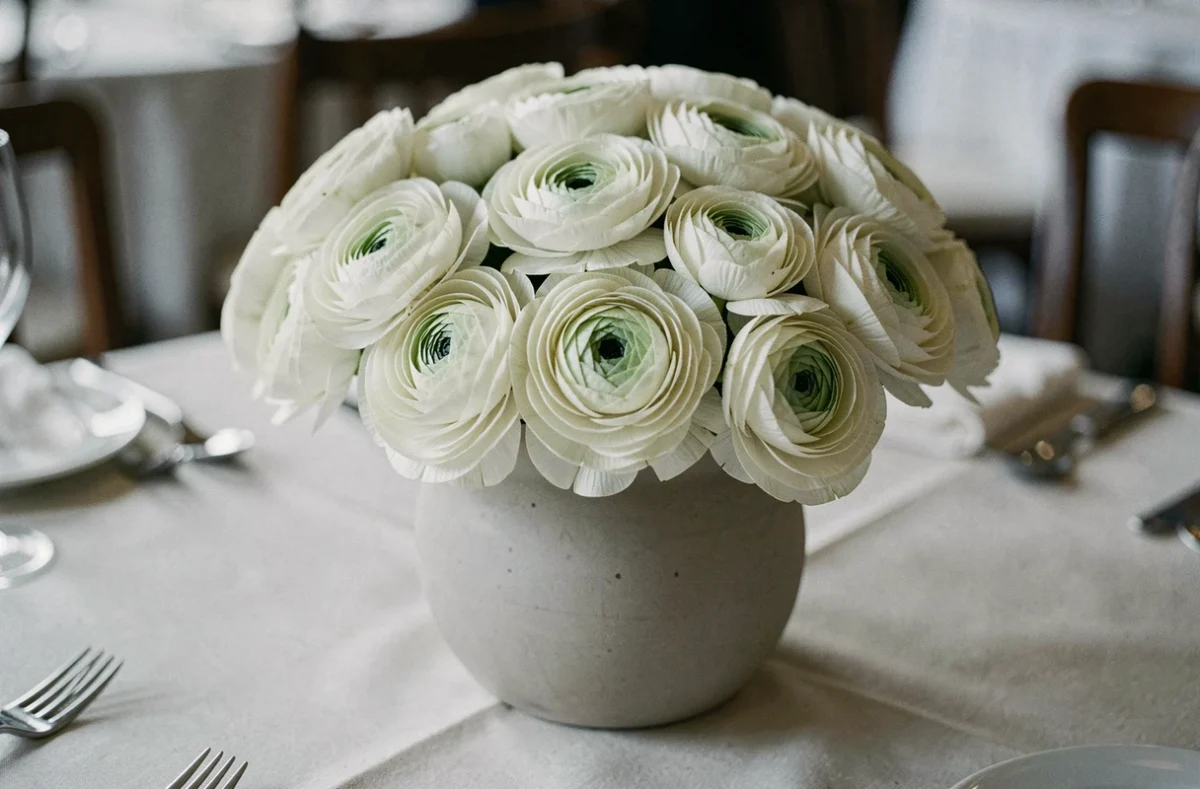
Deconstructed compositions and mono-varieties of seasonal flowers are significantly increasing in requests to florists. A vase filled only with dahlias in September or ranunculus in spring creates a clearer visual effect than an overloaded mixed bouquet.
This choice also responds to budgetary and ecological considerations. Local and seasonal flowers cost less in transportation and last longer outside the cold room. Florists in Reims report a growing sensitivity to French production among couples preparing their weddings. To explore other ideas, the wedding decoration section on Univers Mariage gathers inspirations categorized by style and season.
3. Mix of fresh and dried flowers on the head table
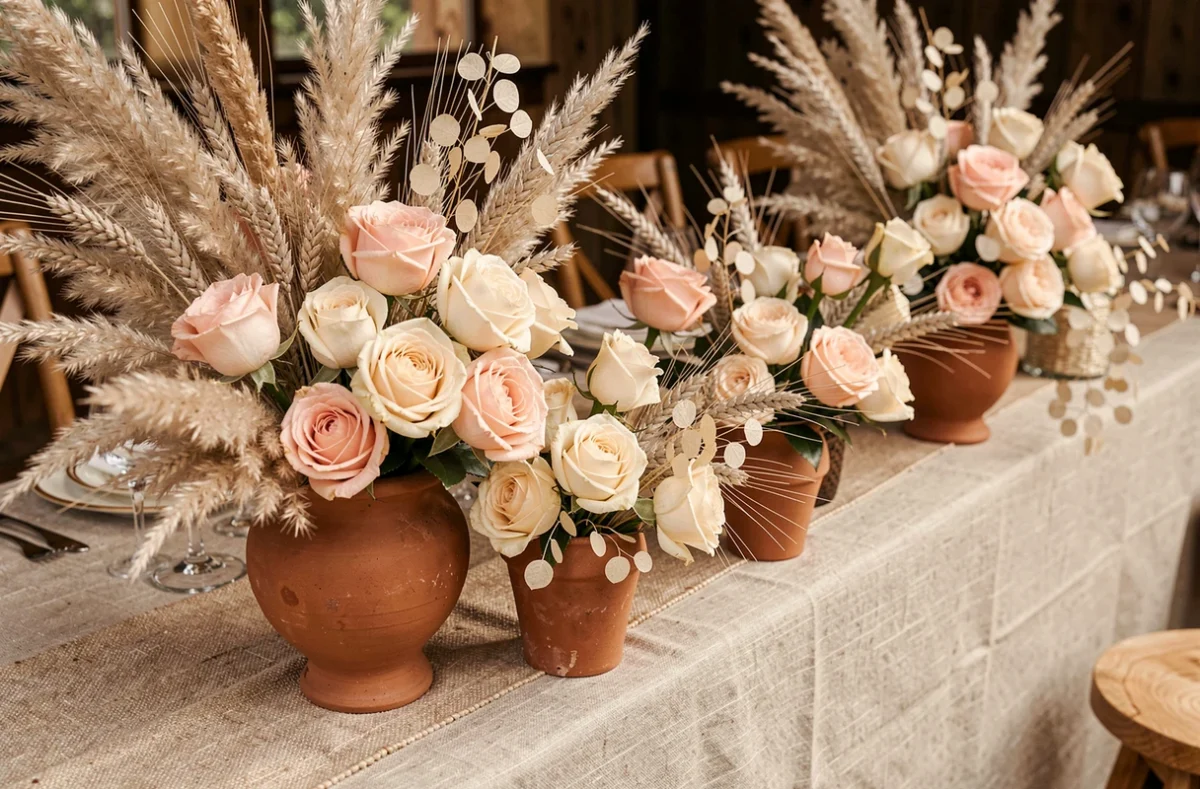
Combining fresh flowers with dried elements (pampa, thistle, everlasting flowers) on the head table gives a textured result, adding volume without extra cost. Dried stems can be prepared weeks in advance, easing the logistics on the big day.
The key is to maintain a consistent ratio: fresh flowers provide color and fragrance, while dried ones add structure and height. A raw linen table runner completes the ensemble without adding an extra tablecloth.
4. Grouped pillar candles in clusters on tables
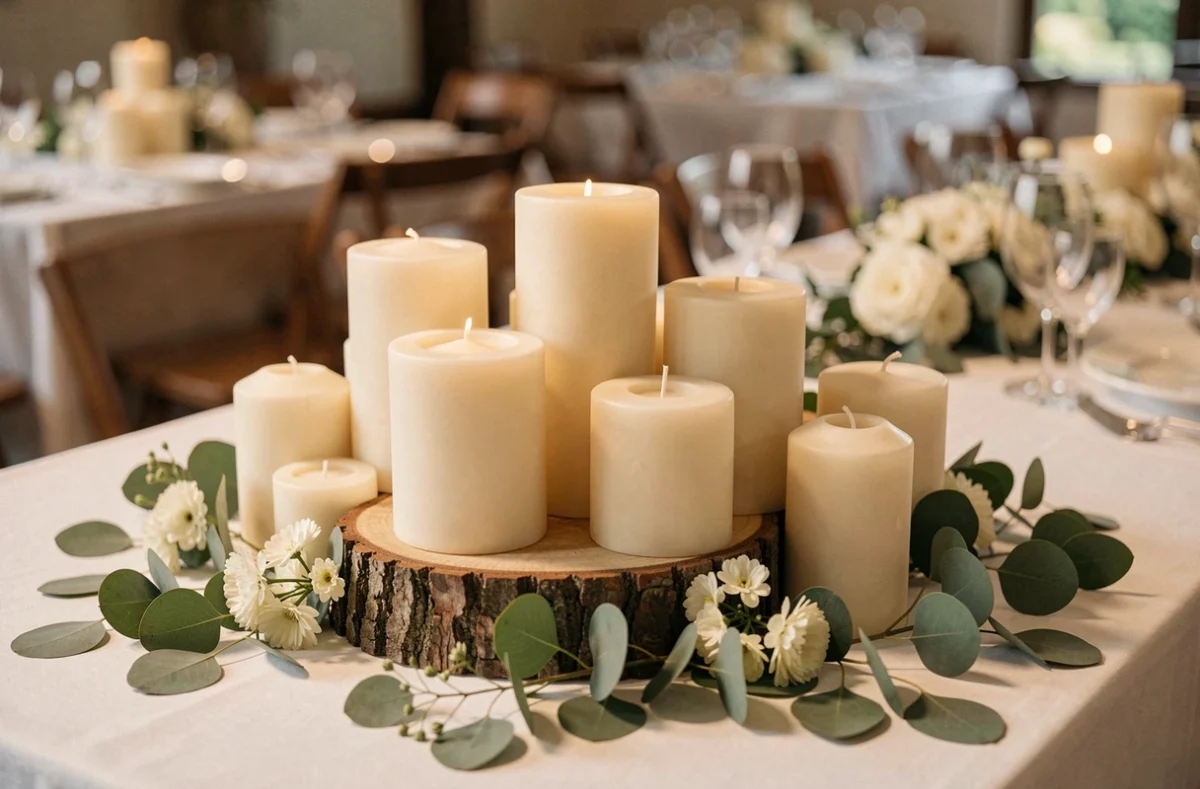
Instead of spreading uniform candle holders, grouping pillar candles of varying heights in threes or fives creates luminous clusters along the table. The effect resembles a candlelit dinner setup without requiring elevated structures.
This technique works particularly well for evening weddings or autumn and winter ceremonies when natural light fades early. Consider using mirror or slate trays under each group to protect the tablecloth from wax.
5. Calligraphed signage on natural materials
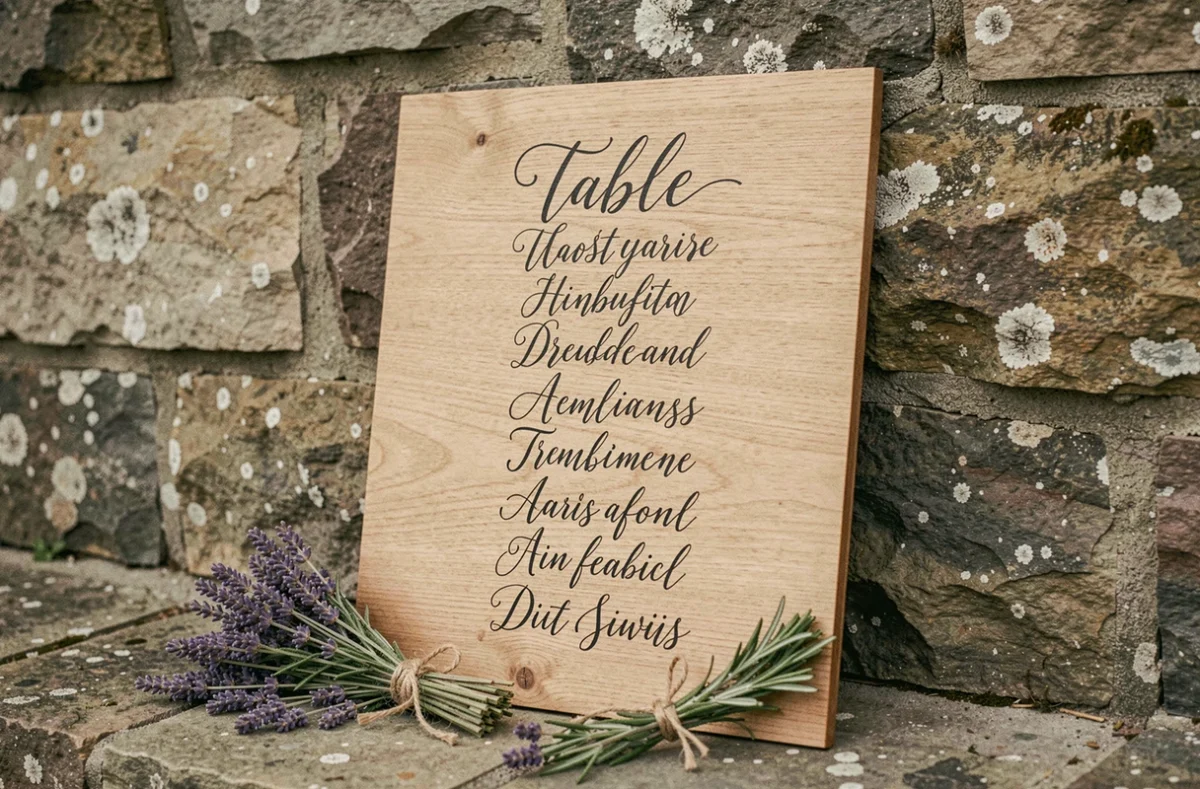
Welcome signs, seating plans, and menus gain character when hand-lettered on raw wood, slate, or kraft paper. This type of signage replaces laminated prints and plexiglass supports, which decorators this year deemed too smooth.
Reclaimed wood (sanded pallets, formwork boards) is perfect for this. A layer of matte varnish protects the calligraphy without creating a glare for photos.
6. Asymmetrical ceremony arch with foliage
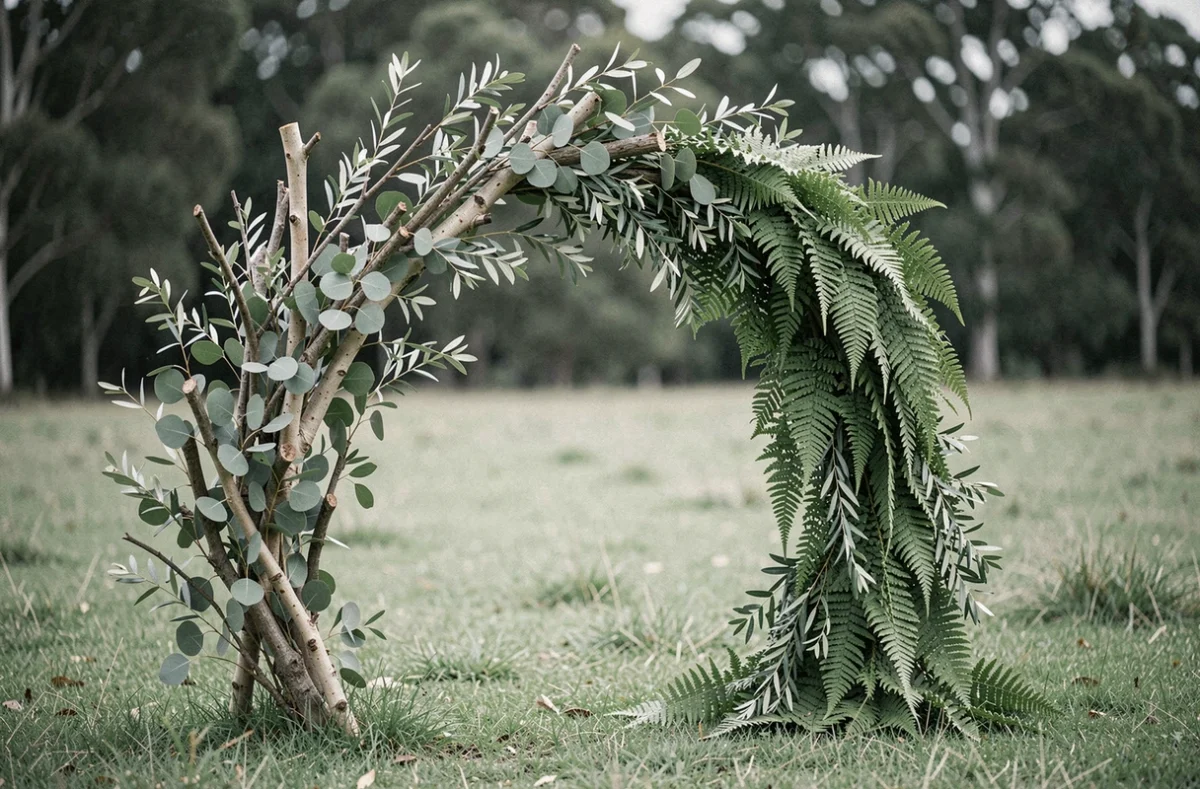
The symmetrical, flower-laden ceremony arch gives way to asymmetrical structures, where foliage (eucalyptus, olive, ivy) covers only one side of the framework. The result appears more organic and costs less in cut flowers.
A copper or driftwood frame is sufficient. The asymmetry naturally directs the gaze toward the couple, which also improves the framing of ceremony photos.
7. Limited color palette of three shades
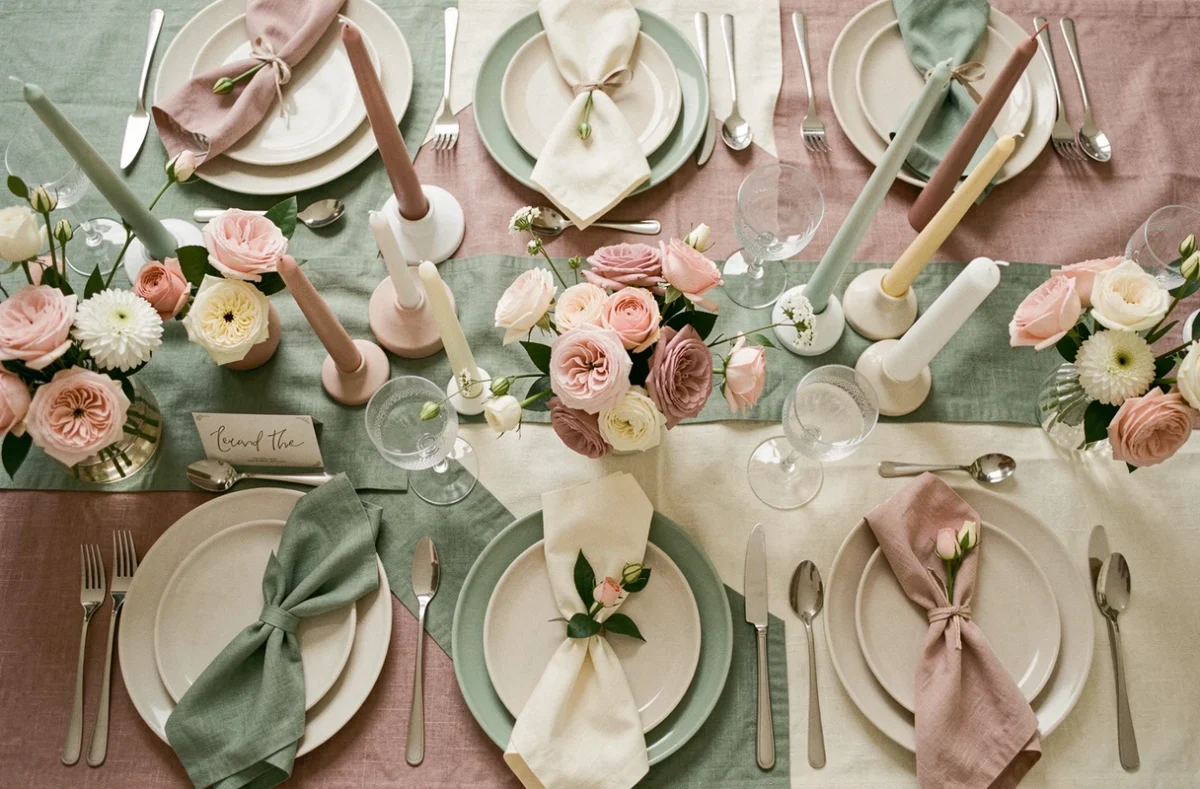
The most coherent decorations this year are based on a maximum of three shades: one dominant, one complementary, and one accent. For example, terracotta, cream, and sage. Or midnight blue, gold, and off-white.
Limiting the palette simplifies every decision (napkins, ribbons, invitations, flower choices) and avoids the “color bazaar” effect that occurs when accumulating Pinterest inspirations without a guiding thread. This chromatic rigor is the foundation of a decor that photographs well under any lighting.
8. Centerpieces with seasonal fruits
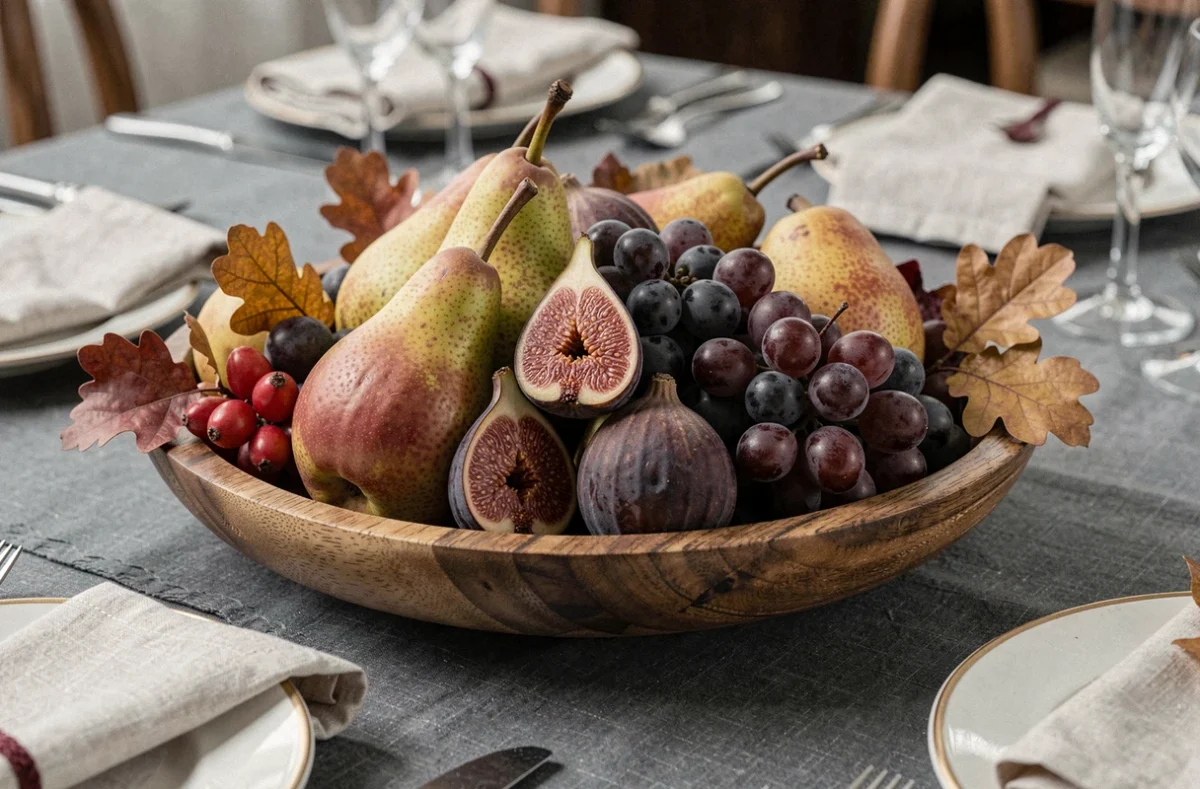
Replacing some flowers with seasonal fruits (figs, pomegranates, citrus, grapes) adds color, volume, and an edible touch to the table. Fruits can be placed directly on the table runner or in ceramic bowls.
The practical advantage: fruits are available at any greengrocer, can be prepared the day before, and won’t wilt during the evening. At the end of the meal, guests can even eat them, which avoids waste.
9. Outdoor ceremony space for an off-season wedding
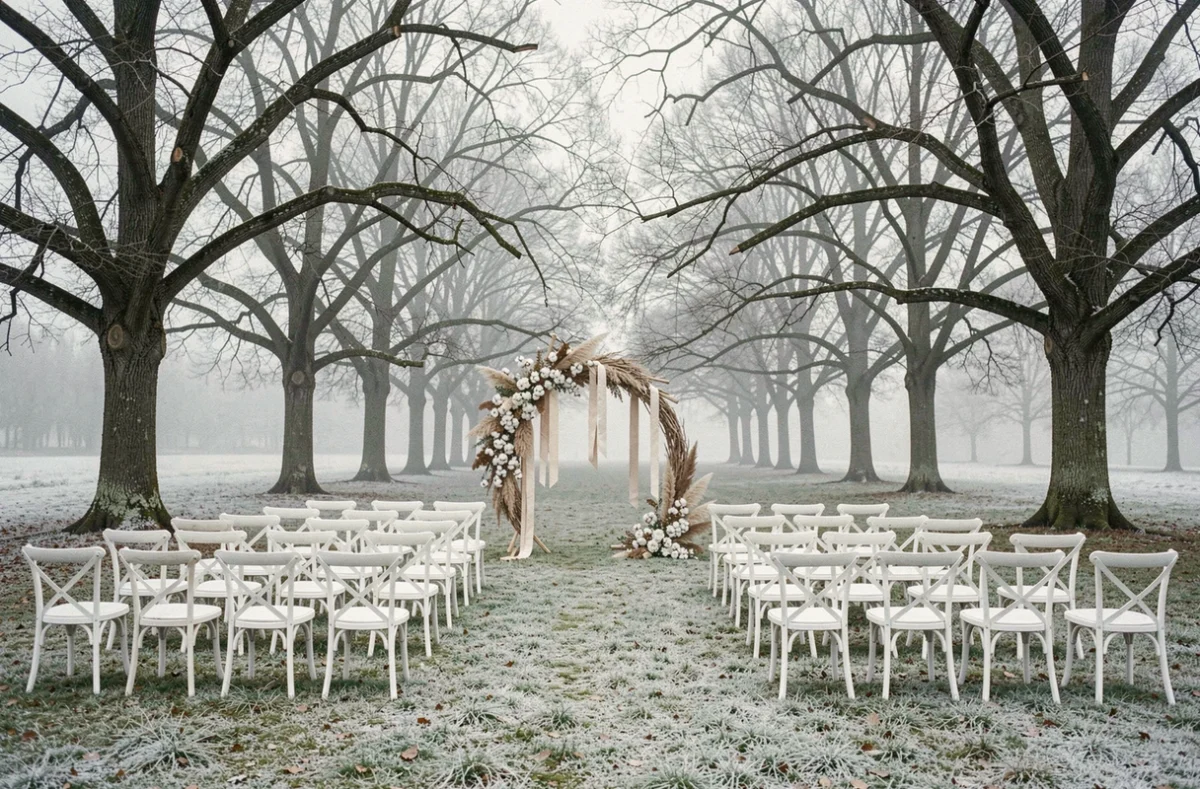
The wedding season now extends until October, with a growing interest in autumn and winter ceremonies. Vendors are more available, venues often less expensive, and the low-angle light of late season provides remarkable photos.
For an outdoor wedding outside of summer, a few decorative elements are enough to set the mood:
- Wool blankets placed on each chair for guests’ comfort
- Lanterns on the ground along the central aisle, lit from the beginning of the ceremony
- A jute or sisal rug that defines the space without damaging the lawn
10. Concentrating the decor budget on two or three key areas
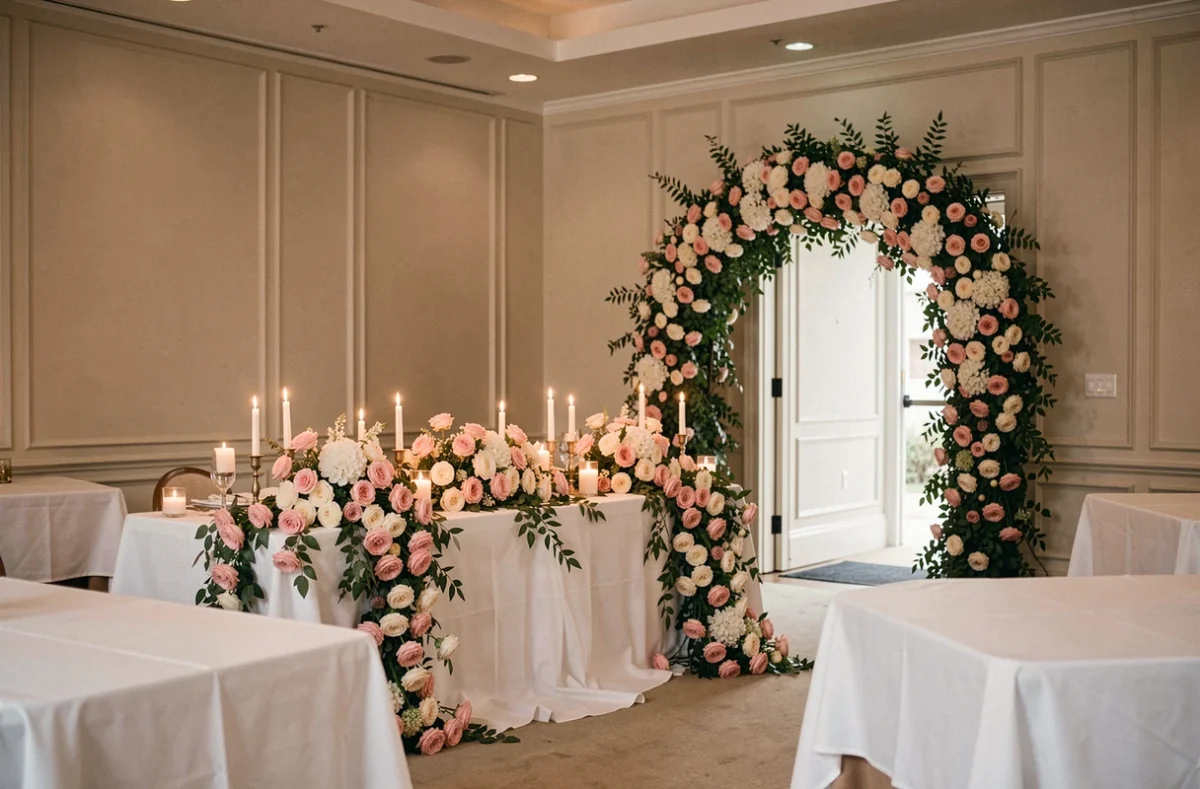
This last idea is more of a method than a decorative object, but it conditions all the others. Concentrating the budget on the entrance, the head table, and the buffet, then complementing the rest with foliage and candles, yields a more polished result than a uniform sprinkling over ten different areas.
Industry professionals confirm this trend towards more sober and well-controlled decorations. A photo corner with a simple textile backdrop, a few mismatched vintage chairs, and well-thought-out lighting complete the ensemble without inflating the bill.
The most successful wedding decoration is one that creates an immediate atmosphere upon the guests’ arrival, then fades into the background to allow the celebration to take center stage. Three well-crafted areas are always better than ten half-decorated spaces.