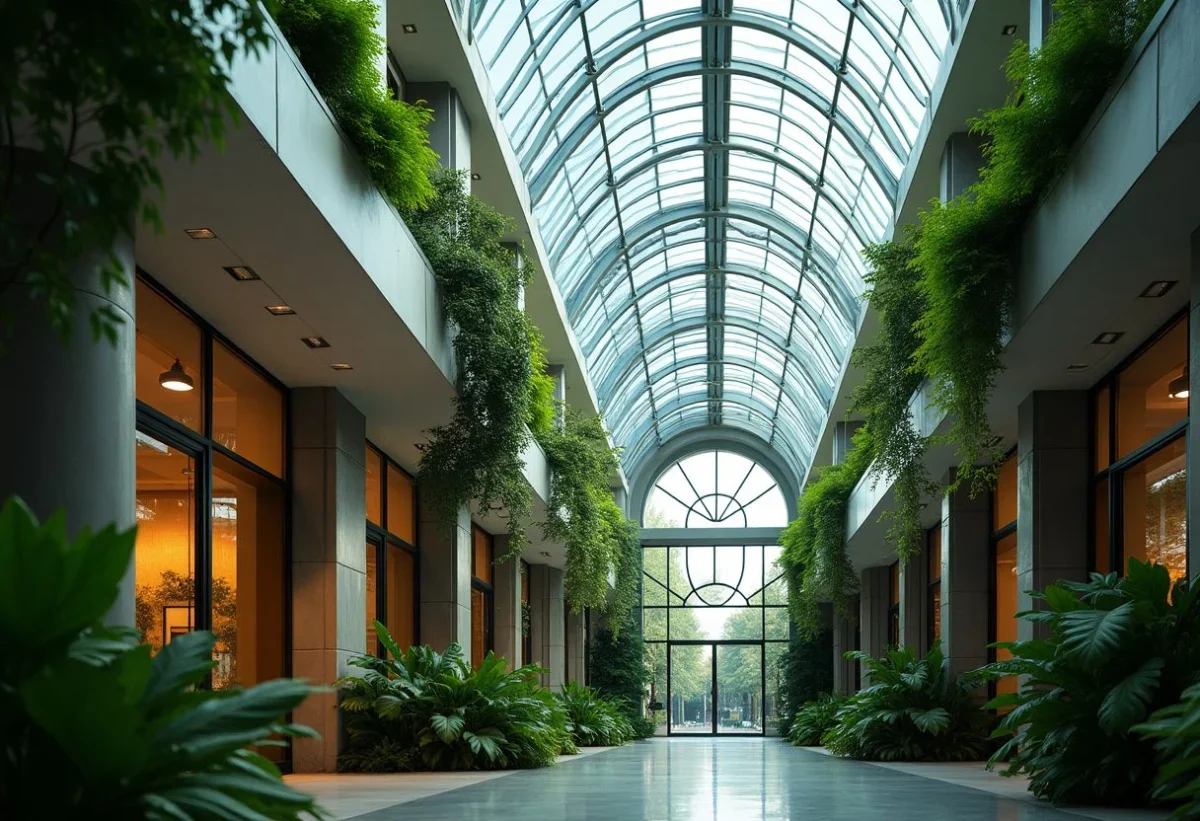
Nothing transforms a space like light, and few architectural elements capture this magic like a glass wall. These glass and metal structures blend elegance and functionality, allowing for a reinvention of interior spaces with an undeniably modern charm. They are not just windows to the outside, but also true works of art that transform the perception of rooms. Whether it’s an industrial loft, a Parisian apartment, or a country house, the glass wall offers an aesthetic and practical solution to delineate spaces while preserving a sense of grandeur and brightness.
Origins and evolution of the glass wall
The glass wall has its roots in 19th-century industrial architecture. From a simple functional tool, it has become an essential design element.
- In the 19th century, glass walls appeared in factories and workshops to maximize the influx of natural light. They provided optimal brightness for workers, thereby enhancing their productivity.
- During the Belle Époque, they made their way into public buildings and bourgeois homes, illustrating the enthusiasm for Art Nouveau and its sinuous lines.
- In the 1980s, interest in industrial design revived their popularity. They became sought-after elements in the renovation of lofts and atypical spaces.
- Today, glass walls are valued for their ability to integrate traditional aesthetics into contemporary and minimalist interiors.
Functions and benefits of the glass wall
The glass wall is not just a simple decorative element. It offers a multitude of functions that make it indispensable in interior design.
First, it allows for delineating spaces without traditional partitioning. For example, it can separate a kitchen from a living room while allowing light to pass through, thus preserving a sense of openness. Noise is dampened, creating a friendly and shared atmosphere, ideal for common living spaces.
Next, thanks to its glass composition, it serves as a true light well. Dark rooms gain clarity, and the entire home feels more spacious and welcoming. Natural light can flow freely from one room to another, reducing the need for artificial lighting and contributing to a warm ambiance.
Finally, the glass wall has a real aesthetic impact. It brings a touch of modernity and elegance that adapts to different interior styles. Whether in an industrial, Scandinavian, or classic style, it finds its place and contributes to the visual harmony of the space.
Materials and types of glass walls
The choice of materials and types of glass walls can vary depending on personal needs and tastes. Here are some popular options.
- Steel: Used in industrial glass walls, it offers robustness and character. It is an ideal choice for those seeking a raw and authentic aesthetic.
- Aluminum: Lighter and more modern, aluminum offers various finishes and adapts to sleek designs. Its corrosion resistance makes it a durable material.
- Wood: For a warm and natural ambiance, wood is perfect. It pairs wonderfully with classic or rustic interiors.
- Kit glass wall: Convenient for DIY enthusiasts, it allows for easy and quick installation, even for novices.
Integrating a glass wall at home
Integrating a glass wall into your interior requires reflection on the available space and the desired outcome. Here are some tips to guide you.
First, assess the function of your glass wall: separating a room, creating an office, or enhancing an open kitchen. Depending on the space, consider custom models for a perfect integration. Play with colors and textures to create a striking contrast or a subtle harmony with the rest of your decor.
Next, think about maintenance. Opt for materials that are easy to clean, especially if the glass wall is located in a high-traffic area or near the kitchen.
Finally, consider adding decorative elements around your glass wall, such as hanging plants or light curtains, to enhance its visual impact and reinforce the atmosphere of your interior.